
Lifestyle Diseases in India
- The Right Place For You Foundation

- Aug 26, 2025
- 5 min read
Updated: Aug 29, 2025
The Silent Rise of Lifestyle Diseases in India
Over the past two decades, lifestyle diseases in India have become one of the biggest health challenges. Once thought to be problems of wealthy nations, these diseases—caused by unhealthy habits, stress, poor diets, and lack of exercise—are now widespread in Indian cities and even villages. From children to working professionals, people are facing health issues that earlier affected mostly older generations. The rise of lifestyle diseases is a silent epidemic that is reducing productivity, draining family incomes, and threatening the nation’s future health.

What are Lifestyle Diseases?
Lifestyle diseases are health problems caused primarily by the way we live—our eating habits, physical activity, sleep, and stress levels. They are not spread from person to person like infections but develop over time due to unhealthy routines. Examples include diabetes, obesity, hypertension, heart disease, and certain cancers. Unlike infectious diseases, lifestyle diseases are largely preventable if people adopt healthier choices.
Common Lifestyle Diseases in India
1. Diabetes
India is often called the “Diabetes Capital of the World.” Rapid urbanization, processed food consumption, and sedentary jobs have led to alarming numbers of diabetes patients. Type 2 diabetes, once seen only in older adults, is now common even among young professionals and teenagers.

2. Hypertension (High Blood Pressure)
High stress jobs, unhealthy diets (too much salt and fried food), and lack of exercise have made hypertension a growing problem. Left untreated, it can lead to strokes, heart attacks, and kidney damage.

3. Obesity
Fast food culture, limited physical activity, and long hours of screen time are major reasons for rising obesity in India. Obesity increases the risk of diabetes, heart disease, and even certain cancers.

4. Heart Disease
Heart disease is now the leading cause of death in India. Young Indians in their 30s and 40s are increasingly being diagnosed with heart attacks due to smoking, stress, poor diet, and lack of exercise.

5. Stroke
Strokes are occurring at much younger ages in India compared to the past. High blood pressure, smoking, and stress are key factors.

6. Cancer (Linked to Lifestyle Factors)
While not all cancers are lifestyle-related, habits like tobacco use, alcohol consumption, obesity, and unhealthy diets increase risks of cancers such as lung, breast, and colon cancer.

7. Respiratory Issues
Air pollution, smoking, and occupational hazards are major contributors to chronic respiratory issues such as asthma and COPD (Chronic Obstructive Pulmonary Disease).

Why are Lifestyle Diseases Increasing in India?
Urbanization & Sedentary Lifestyle
With more people moving to cities, sedentary office jobs and less physical activity are becoming the norm.
Junk Food & Unhealthy Diet
The easy availability of processed, fried, and sugary foods has replaced traditional, balanced diets.
Stress & Mental Health Issues
High competition in studies, jobs, and social pressures is leading to stress, anxiety, and depression, which worsen physical health.
Lack of Exercise
Many Indians, especially urban youth, spend long hours sitting at desks or on mobile screens with minimal exercise.
Pollution & Smoking/Alcohol Consumption
Air pollution is one of the biggest health risks in India. Combined with high tobacco and alcohol use, it fuels lifestyle-related illnesses.

Impact of Lifestyle Diseases on Society & Economy
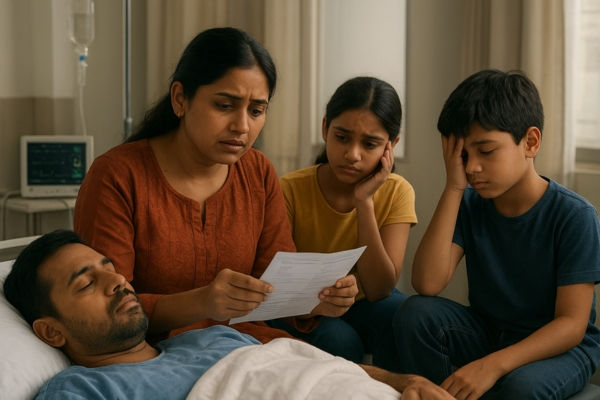
The cost of lifestyle diseases in India is not only personal but also national. Families spend huge amounts on long-term treatments, pushing many into debt. On a larger scale, India loses billions every year in reduced productivity, absenteeism, and premature deaths. If not controlled, lifestyle diseases could cripple the economy and overburden the healthcare system.
How to Prevent Lifestyle Diseases
Healthy Diet Choices
Switching to balanced meals with whole grains, vegetables, fruits, nuts, and traditional home-cooked food helps reduce risks.
Regular Physical Activity
Just 30 minutes of walking, yoga, or sports daily can drastically lower the chances of lifestyle diseases.
Mental Well-Being Practices
Yoga, meditation, and mindfulness help control stress and improve both physical and mental health.
Regular Check-ups & Screenings
Early detection of diabetes, hypertension, or heart issues can prevent severe complications.
Limiting Smoking/Alcohol
Avoiding tobacco and moderating alcohol consumption are among the simplest but most powerful preventive measures.

Government & NGO Initiatives in India
The Indian government has launched programs like the National Programme for Prevention and Control of Cancer, Diabetes, Cardiovascular Diseases and Stroke (NPCDCS) to spread awareness and provide affordable healthcare. NGOs and health foundations also run awareness drives, free check-up camps, and healthy lifestyle campaigns across the country.
Role of Individuals and Families in Prevention
Every family can play a part in reducing lifestyle diseases in India by:
Encouraging home-cooked meals instead of fast food.
Making exercise a family activity.
Talking openly about stress and mental health.
Scheduling routine health check-ups for all members.
Future Outlook: Can India Reverse the Trend?
Yes, but it requires collective effort. A mix of government policies, healthcare reforms, public awareness campaigns, and individual lifestyle changes can turn the tide. Traditional Indian practices such as yoga, Ayurveda, and mindful eating can also help India fight this health crisis.
Conclusion: Small Changes Today, Healthy India Tomorrow
Lifestyle diseases in India are preventable if we act today. By making small but consistent lifestyle changes—like eating right, exercising daily, managing stress, and avoiding harmful habits—we can protect ourselves and future generations. Together, India can build a healthier, stronger tomorrow.

❓ Frequently Asked Questions (FAQs)
Q1. What are lifestyle diseases in India?
Lifestyle diseases in India are health problems caused mainly by unhealthy daily habits such as poor diet, lack of exercise, stress, smoking, and alcohol use. Common examples include diabetes, hypertension, obesity, heart disease, and certain cancers.
Q2. Why are lifestyle diseases increasing so fast in India?
Rapid urbanization, sedentary jobs, fast food culture, high stress, and pollution are the biggest reasons. Indians today face more stress and unhealthy routines compared to past generations, which has fueled the rise of these diseases.
Q3. At what age do lifestyle diseases usually start in India?
Earlier, lifestyle diseases were common after the age of 50. But today, due to unhealthy habits, many young Indians in their 20s and 30s are developing diabetes, hypertension, and obesity.
Q4. Which Indian cities have the highest cases of lifestyle diseases?
Metro cities like Delhi, Mumbai, Bengaluru, and Chennai show the highest rise in lifestyle diseases because of urban stress, pollution, and fast-paced living. However, smaller towns are also catching up due to changing lifestyles.
Q5. How do lifestyle diseases affect India’s economy?
They reduce productivity, increase healthcare expenses, and burden families with medical bills. According to health experts, lifestyle diseases could cost India trillions of rupees in lost economic growth by 2030.
Q6. Can lifestyle diseases be prevented?
Yes, most lifestyle diseases in India are preventable. Adopting a balanced diet, exercising regularly, managing stress with yoga or meditation, avoiding smoking and alcohol, and going for regular health check-ups can significantly reduce risks.
Q7. Can Indian traditional practices help in prevention?
Absolutely! Yoga, Ayurveda, and eating home-cooked meals with natural ingredients are powerful preventive tools. These practices not only improve physical health but also help in reducing stress and boosting immunity.
Q8. Are lifestyle diseases curable?
Some lifestyle diseases like diabetes and hypertension cannot be completely cured, but they can be managed and controlled effectively through healthy habits, medication, and regular medical monitoring.
Q9. What role do families play in prevention?
Families are the foundation of healthy living. Encouraging home-cooked meals, engaging in outdoor activities, limiting screen time, and supporting mental well-being at home can help reduce lifestyle diseases in India.
Q10. What is the future outlook for lifestyle diseases in India?
If individuals, families, and the government take strong steps today—promoting fitness, awareness, and better healthcare access—India can definitely reduce the burden of lifestyle diseases and build a healthier future.


Comments